Introduction
Fencing is more than just a boundary; it's a statement about your property, its value, and its security. Whether you're protecting your garden, creating privacy, or enhancing curb appeal, picking the best fencing products can be daunting. One of the most important choices revolves around discovering the right balance in between expense and quality. In this article, we'll look into numerous fencing products, their costs (including Colorbond fence price per meter), and vital elements like labor, height, and length.
Finding the Right Balance Between Cost and Quality in Fencing Materials
When embarking on your fencing project, understanding how to stabilize expense with quality is vital. The materials you pick will not only impact your budget plan but also dictate sturdiness and appearance. installation cost guide So how do you browse these waters? Let's explore.
Understanding Fencing Materials
Types of Fencing Materials
Fences can be made from a variety of materials:
Wood: A classic option that offers natural appeal however requires maintenance. Vinyl: Resilient and low-maintenance; nevertheless, it may come at a greater initial cost. Chain Link: Economical but less aesthetically pleasing. Metal: Consists of choices like wrought iron and Colorbond which are durable however can be pricier. Composite: Made from recycled products and uses the appearance of wood without as much upkeep.Pros and Cons of Each Material
|Product|Pros|Cons|| ------------|--------------------------------|-------------------------------|| Wood|Natural appearance, personalized|Prone to rot, needs upkeep|| Vinyl|Low upkeep|Higher upfront expense|| Chain Link|Budget friendly|Less privacy|| Metal|Strong and long lasting|Can rust if without treatment|| Composite|Eco-friendly|More expensive|
Cost Factors in Fencing
Colorbond Fence Rate per Meter
One of the most significant elements affecting your fencing spending plan is the expense per meter for different materials. For Colorbond fences specifically:
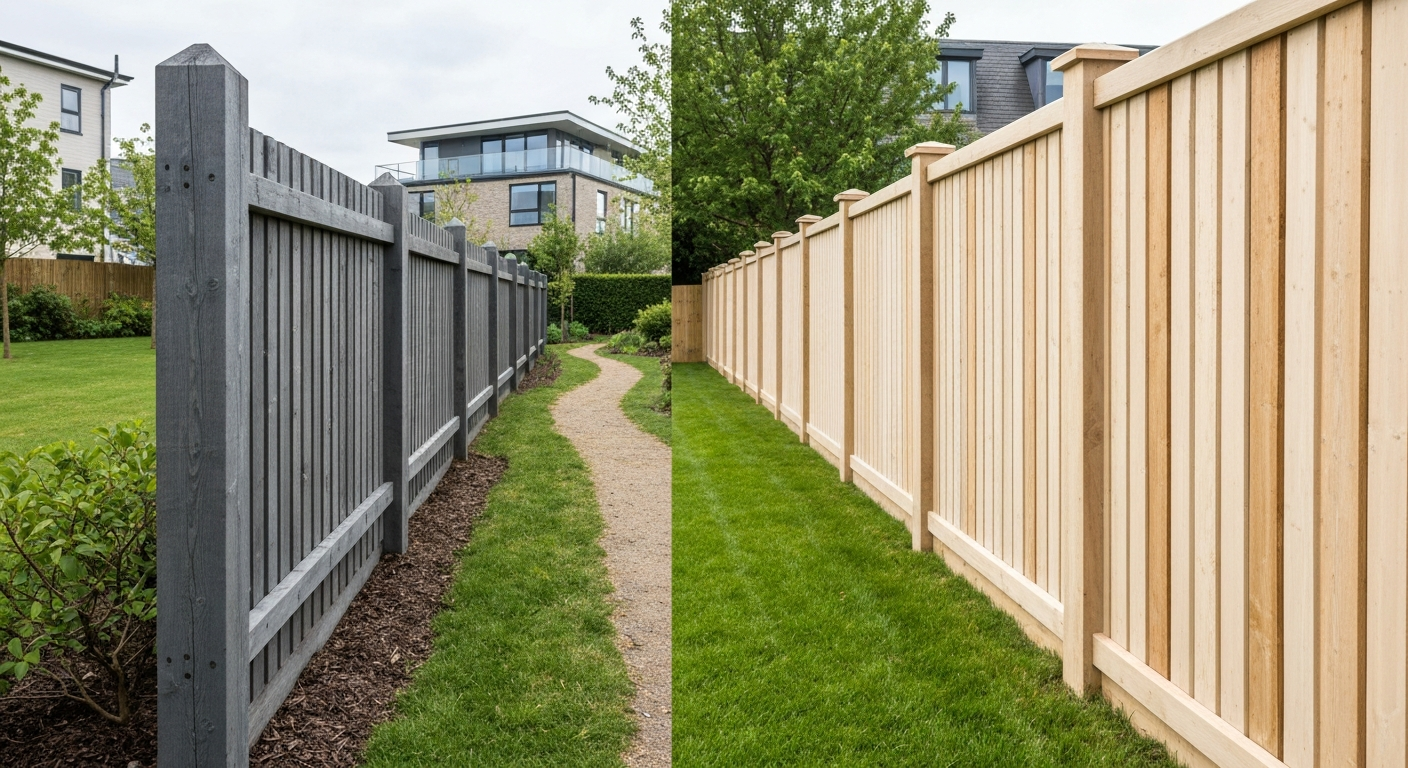
- The average cost varieties from $75 to $100 per meter depending upon height and color choice. Installation costs can include an extra $50 to $70 per meter.
Calculating Overall Costs
To quote your overall fencing costs:
Measure the perimeter where the fence will be installed. Multiply this by the rate per meter for your chosen material. Add labor costs based upon regional rates.Labor Costs in Fencing Installation
Understanding Labor Costs
Labor expenses can differ substantially based upon place, intricacy of installation, and experience level of contractors.
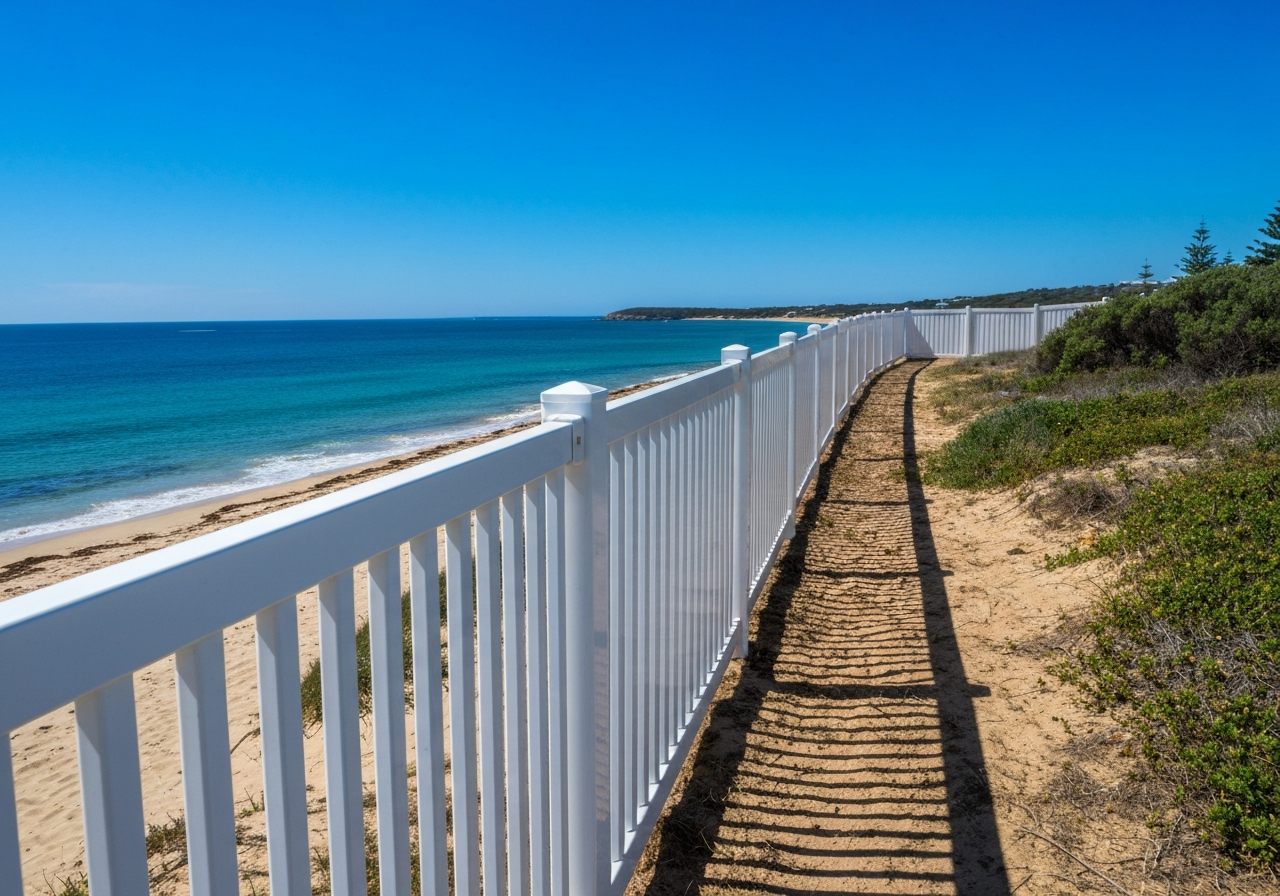
- On average, expert setup may vary from $30 to $70 per hour. Some business may charge by the meter for installation.
DIY vs Professional Installation
Should you go DIY or work with a pro? Here are some factors to consider:
- DIY conserves cash but needs time and skill. Professionals guarantee quality setup however can increase general expenses significantly.
Height Matters: How It Influences Cost & Quality
Standard Heights for Residential Fences
Fences normally vary from 4 to 8 feet high for domestic properties.
- Shorter fences may lower expenses however offer less privacy. Taller fences offer more security but come at an increased price.
Local Regulations Affecting Height Choices
Always examine regional zoning guidelines before selecting fence height:
- Many towns have restrictions concerning optimum heights. Compliance with guidelines prevents expensive fines or adjustment later.
Length Considerations in Fencing Projects
Measuring Your Space Effectively
Accurate measurements are important when identifying fence length:
Use a measuring tape to calculate overall border accurately. Consider any gates or openings which might modify measurements.Impact of Length on Overall Budget
The longer your fence runs, the higher your overall product cost will be:
- Keep in mind that longer setups generally increase labor costs too.
Quality vs Cost: What Need To You Prioritize?
Choosing in between quality materials versus lower-cost options often comes down to individual concerns:
- If toughness is critical (for example, in high-wind areas), investing in higher-quality materials like Colorbond makes good sense regardless of preliminary higher costs.
Aesthetic Appeal Versus Practical Necessities
While performance often drives options concerning fencing products-- like security or personal privacy-- thinking about aesthetic appeals shouldn't be overlooked either:
- A well-designed fence can enhance overall residential or commercial property value and curb appeal while meeting functional requirements effectively.
Maintenance Requirements Over Time
Taking into account future maintenance requirements is important when selecting a material:
- Wood fences require routine treatments versus rotting or insect damage, Vinyl fences normally need little attention apart from periodic cleaning.
Environmental Considerations When Choosing Materials
Increasingly property owners are thinking about environmental impacts when picking their fencing material:
Recycled composite options use environment-friendly advantages while simulating conventional aesthetics. Investigate regional sourcing to support sustainability efforts while lessening transport emissions.Fencing Styles That Deal Worth for Money
Exploring numerous designs might assist you find one that strikes an excellent balance in between cost-effectiveness without compromising quality:
Picket fences provide beauty at sensible costs, Solid panel styles provide additional security while keeping visual appeal!Budgeting Tips for Your Fencing Project
Effective budgeting is vital for ensuring you don't spend beyond your means during your job:
Set reasonable expectations about pricing, Consider phased application if funds are tight-- installing sections gradually rather than all at once!FAQ Section
1. What is the average Colorbond fence price per meter?
The typical rate varieties from $75 to $100 per meter depending on different factors including color option and height.
2. Is it less expensive to set up a fence myself?
While doing it yourself can save labor expenses, think about surprise costs like tools or mistakes that could cause extra spending.
3. The length of time does a common wood fence last?
A well-kept wooden fence generally lasts around 10-- 15 years before needing replacement due to rot or wear.
4. Are vinyl fences worth their higher initial cost?
Yes! Vinyl fences frequently outshine wood due to lower upkeep needs in time making them financially feasible long-term investments!
5. What ought to I think about when preparing my fence layout?
Consider zoning laws regarding heights/locations; likewise think of challenges like trees or slopes that might make complex installation!
6. Can I blend various types of fencing materials?
Absolutely! Blending styles can develop special appearances tailored precisely according to choices while balancing functionality too!
Conclusion
In conclusion, finding the best balance between cost and quality in fencing products involves mindful factor to consider of numerous aspects consisting of material type, labor costs, height requirements, length measurements together with aesthetic choices! By understanding these elements deeply in addition to weighing pros/cons associated with each option available-- house owners ensure making notified options that secure investments effectively while improving home landscapes wonderfully!
As you start this journey towards building or upgrading your fence remember constantly to examine alternatives thoroughly before continuing even more into application phases! Happy fencing!